
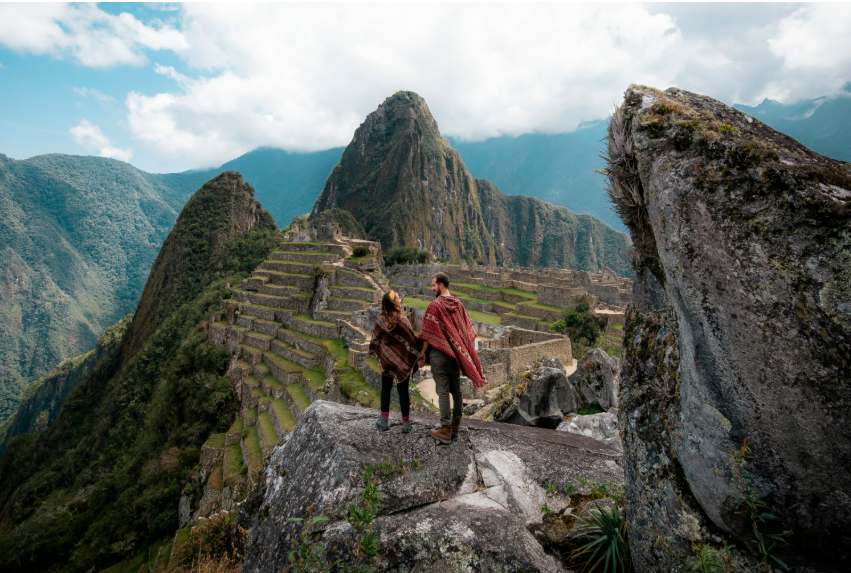
A trip to Machu Picchu can feel like stepping into another world, where mountains rise like guardians and every stone tells a story. Most visitors rush through the site, ticking boxes and snapping photos, but true understanding comes from slowing down. Taking your time lets you absorb the history, connect with the surroundings, and leave with a richer sense of the place rather than just memories frozen in a camera. Experiencing the ruins within the context of the Incan civilization deepens that connection even further.
Begin With a Thoughtful Arrival
The journey to Machu Picchu sets the tone for your visit. Arriving early in the morning or even the night before lets you adjust to the altitude acclimatization needed for the high Andean peaks. A stay in a town like Aguas Calientes offers a chance to wake up to the sounds of the mountains and rivers, easing into the adventure naturally.
Once at the site, resist the urge to dash from landmark to landmark. Take time to notice the way the sunlight hits the terraces or how the shadows shift over the stone steps. These careful observations reveal why Machu Picchu earned its designation as a UNESCO World Heritage site.
Even small pauses can be revealing. Sit on a ledge, listen to the wind, and watch clouds drift across the peaks. These moments create a quiet connection to the place that photos alone can’t capture, even when using a selfie stick to document memories.
Explore the Ruins in Layers
Machu Picchu isn’t just a collection of ruins; it’s a story carved into the landscape. Move slowly through each sector, and consider what each stone might have meant to the people who built it. Paying attention to structures like the Temple of the Moon or Royal Tomb reveals how spiritual and civic life intertwined.
Architecture and natural topography are intertwined here. Notice how terraces follow the slopes, and how stairways guide movement without breaking the rhythm of the land. You may catch glimpses of the Sacred Rock, a landmark that blends ritual importance with architectural skill.
As you walk, ask questions of yourself. Why was this temple built here? Exploring side paths also leads to features like the Inca Bridge, offering insight into engineering techniques of the Incas. Thinking like this deepens appreciation beyond simple observation.
Connect With Local Stories
The people who live near Machu Picchu carry centuries of knowledge and tradition. Speak with local guides or artisans, and you’ll discover layers of traditional cultures not visible from a distance. Their insights reveal the ways daily life, history, and spirituality still intersect in these communities.
Markets, small workshops, and family-run cafés are more than stops—they’re opportunities to see living traditions. Watch a weaver at work or hear stories about farming techniques passed down for generations. These experiences highlight the importance of community initiatives and the preservation of local practices.
Even brief conversations can change your perspective. By listening attentively, you’ll notice details that might otherwise go unnoticed, from the rhythm of work to the meaning behind rituals. Interacting with local people adds depth to your visit and ensures these traditions continue thriving.
Pause To Reflect
Reflection is often overlooked in a visit. Take a few minutes in a quiet corner or on a terrace to think about what stood out to you. Questions like ‘What surprised me?’ or ‘Which view or detail felt most meaningful?’ turn experiences into insight. Writing your thoughts helps track how your body and mind respond to altitude sickness, a common challenge for high-altitude travelers.
Journaling or sketching can make these moments even more valuable. You capture impressions that might otherwise fade, preserving both the sights and the sensations of your time there. This practice also helps you notice subtler details, such as the interactions of Yapa explorers guiding hikers through hidden paths.
Sharing observations with travel companions adds another layer. Conversations sparked by curiosity often lead to new discoveries, making the visit more memorable and personally meaningful. Carrying first aid supplies ensures safety while exploring, adding peace of mind during these reflective moments.
Take the Trails Less Traveled
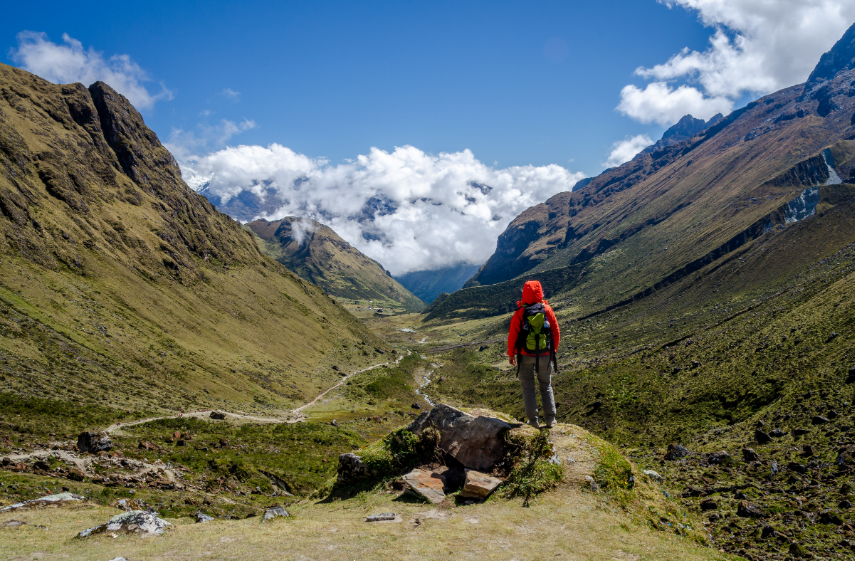
Stepping off the main pathways uncovers quieter, less-visited areas. Trails leading toward Sun Gate or nearby terraces offer moments of solitude where reflection comes easily. Some travelers prefer longer treks, like the Salkantay Trek or the Inca trail, for an immersive experience. These paths reward patience with views that feel like your own private discovery.
Walking slowly also gives your body time to adjust to the high altitude. The steep steps and uneven paths can challenge your legs and core, almost like an unexpected session of weight training with every climb. Using hiking poles, a rain jacket, proper sleeping mats, and sun protection helps maintain comfort and endurance. Each breath connects you more closely with the environment, allowing you to feel the energy of the mountains rather than just see them.
Observe how wildlife and flora coexist with the ruins. Birds, orchids, and ancient trees all tell stories about resilience and adaptation. Climbing peaks like Huayna Picchu or exploring the Sacred Valley shows how nature and human ingenuity blend seamlessly. Slowing down makes these details noticeable, enriching your understanding of Machu Picchu as a living landscape.
Wrapping It Up
Rushing through Machu Picchu leaves only fragments of memory. By slowing down, listening to the land, engaging with local culture, and reflecting on what you see, you leave with a sense of connection that lasts. The experience becomes more than sightseeing—it becomes understanding. Patience lets you absorb not just the ruins, but the stories, lessons, and beauty woven into every stone and hillside.