
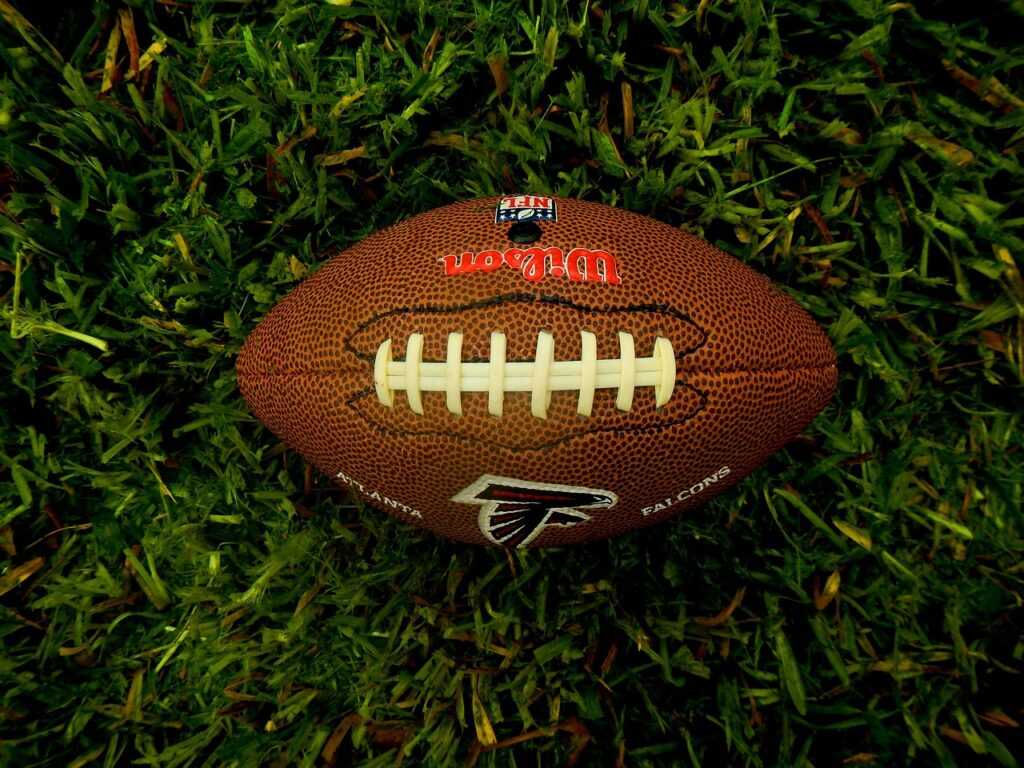
The National Football League is one of the most powerful sports markets in the United States, but how does it compare to major sports around the world? With billions in revenue, massive media deals, and unmatched live viewership domestically, the NFL’s reach is formidable. At the same time, global sports like soccer (particularly leagues such as the English Premier League and UEFA Champions League) and international competitions like the Olympics and FIFA World Cup dwarf most American sports in worldwide engagement. In this article, we’ll explore how the size of the NFL sports market stacks up against these global giants and identify ways the league can bridge the gap to become even more internationally competitive.
The NFL’s Market Size in Context
The NFL is the most lucrative sports league in the United States. In 2024, the league generated an estimated $18 billion in revenue, driven by television rights, sponsorships, ticket sales, licensing, and merchandise. The bulk of this revenue comes from domestic media deals, including massive contracts with major networks and streaming platforms.
NFL viewership is also staggering. Regular season broadcasts routinely draw 15 to 20 million viewers per game, while marquee matchups and primetime contests can exceed 25 million. Week 1 and rivalry games consistently rank among the most-watched television events annually. The Super Bowl remains the crown jewel, often surpassing 100 million viewers in the U.S. alone, with international streaming adding millions more. Even as fans track Super Bowl betting lines this season or debate player matchups, the scale of the audience illustrates the league’s domestic pull.
While these figures are enormous, they contrast with global sports benchmarks.
Comparison With Global Sports Markets
Soccer (Football)
Soccer is indisputably the world’s most popular sport. The English Premier League (EPL), La Liga, Bundesliga, and other top divisions boast hundreds of millions of fans globally. The UEFA Champions League regularly draws viewership in excess of 300 million for finals, and national leagues measure audiences in the billions over a season.
The FIFA World Cup is the most-watched sporting event on the planet. The 2018 World Cup final, for example, was watched by over 1 billion people worldwide. Even the 2022 World Cup maintained extremely high global viewership despite time zone differences. By comparison, the NFL’s international broadcasts rarely approach these staggering figures.
Basketball (NBA)
The National Basketball Association has significant global reach, particularly in markets such as China, Europe, and Latin America. NBA games are broadcast in over 200 countries, and stars like LeBron James and Giannis Antetokounmpo enhance global brand recognition. While the NFL has iconic figures, the NBA’s year-round schedule and global accessibility give it an edge in sustained international engagement.
Cricket and the Indian Premier League
Cricket, led by formats like Test, ODI, T20, and especially the Indian Premier League (IPL), commands massive audiences in South Asia and beyond. The IPL’s franchise model has helped expand global engagement, drawing viewership in excess of 400 million for key matches and generating huge commercial revenue.
Why the NFL’s Reach Is More Domestic
There are several reasons for the NFL’s comparatively domestic focus:
Lack of global participation. American football is not widely played at the grassroots level in many regions outside North America, limiting organic fan engagement.
Broadcast time zones. NFL games often air at times inconvenient for international viewers, such as weekdays or late night for European and Asian audiences.
Cultural context. Soccer and cricket are deeply embedded in local cultures around the world, whereas American football is seen more as an American institution.
Ways the NFL Can Bridge the Global Gap
To achieve greater global influence, the NFL has already begun several initiatives and could expand further:
- Expand International Games
The NFL has hosted regular-season games in London and Mexico City with great success. London’s popularity led to multiple teams annually playing there, driving ticket sales, local fan growth, and international broadcast interest. Expanding these games, along with enhanced fan events and local youth programs, can deepen the sport’s roots. - Develop Grassroots Programs
Introducing organized flag football leagues, coaching clinics, and youth tournaments internationally helps grow participation. The NFL has made strides with initiatives like the International Player Pathway Program, which identifies and develops international talent. More investment in grassroots development could dramatically increase long-term engagement. - Broadcast Accessibility and Time Zone Considerations
Partnering with international broadcasters to schedule games at times more friendly to overseas audiences could increase viewership. Special showcases or midweek events designed for global audiences might help boost interest. - Digital and Social Engagement
The NFL can leverage digital platforms to create region-specific content, including localized commentary, highlights, and interactive features. Social media campaigns that spotlight international fan stories or players from different countries can create relatable narratives that resonate across borders. - Partner With Global Brands and Leagues
Collaborations with globally recognized brands and cross-promotion with international sports leagues can help introduce American football to new audiences. Joint marketing initiatives and shared events bring exposure to communities that might not otherwise engage with the NFL.
The NFL’s status as a dominant domestic sports league is secure. Its business model, massive media rights deals, and passionate fan base anchor its financial success. Yet, when compared with global phenomena like the World Cup or soccer leagues, the league’s international footprint still has room to grow.
By expanding international games, building grassroots participation, adapting broadcasting strategies, and deepening global digital engagement, the NFL can close the gap with the world’s largest sports markets. The process will take time and scientific outreach, but the potential rewards are immense. As sports culture continues to globalize, the NFL has the opportunity to become not just America’s game, but a truly global entertainment force.