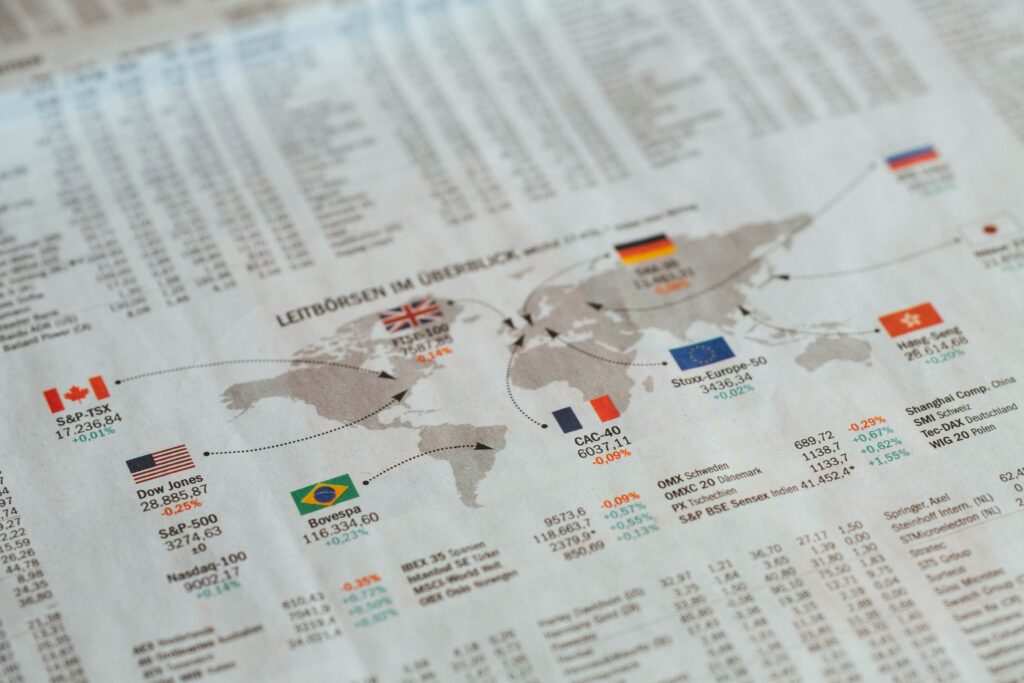

Market Movers That Led the Charge
Rates and inflation continued to dictate the economic tempo this quarter. After months of hawkish tone, central banks dialed back slightly but not enough to call it a pivot. The Fed held rates steady, signaling that inflation isn’t yet tamed. Meanwhile, inflation cooled modestly, but core categories like housing and services remain sticky. This has kept borrowing costs high and market volatility close to the surface.
Investors reacted with caution. Bond yields stayed elevated, equity markets chopped sideways, and capital flowed out of riskier assets. The story here isn’t chaos it’s recalibration. Everyone’s watching for clearer signals on rate cuts, but central banks are in no rush to provide comfort.
In terms of sector performance, defensives showed muscle: utilities, healthcare, and consumer staples held ground or even saw modest gains. Energy rebounded slightly on supply constraints, while tech cooled after a strong start to the year. Financials took a hit under pressure from a flat yield curve and tighter credit conditions. Real estate continues to underperform in the face of high rate drag and cautious investors.
Bottom line: even modest changes in policy language are moving money around. Until inflation is convincingly under control, expect markets to stay reactive and uneven.
Consumer Behavior in Flux
Uncertainty is the new normal. As inflation cools but remains sticky, consumer habits are shifting fast and not always in the ways retailers hoped. People are still spending, but they’re more selective, trading down on non essentials and delaying bigger purchases. Experiences, like travel and dining, continue to draw dollars, but durable goods and discretionary items are feeling the pinch.
Credit access is tighter, too. Banks are reining in lending criteria, and personal savings built up during the pandemic are thinning out. The ripple effects show up across the board: fewer credit approvals, slower auto sales, and a housing market defined by shrinking inventory and hesitant buyers locked out by high interest rates.
Retailers are adjusting product mixes and leaning harder into loyalty programs and discounts. Travel companies are bundling and offering flexible bookings to combat sticker shock. Meanwhile, the housing sector is leaning into build to rent and renovation finance as homeownership gets more elusive.
Everyone’s watching their wallet but they’re still spending. The challenge is predicting where the next pivot will land.
Corporate Earnings Snapshot

As companies report results for the quarter, earnings and forecasts are painting a complex picture of how different industries are navigating today’s turbulent economy. Some organizations are outperforming expectations, while others are grappling with cost pressures, layoffs, or strategic pivots.
Who Beat and Who Missed the Mark
Earnings season has revealed clear winners and laggards so far:
Exceeded Expectations:
Several tech giants reported strong cloud or AI related revenues, pushing their stock prices higher.
Select consumer goods brands benefitted from resilient demand and effective pricing strategies.
Missed Expectations:
Companies dependent on discretionary spending (like apparel or mid tier retailers) underperformed due to softer consumer demand.
Some industrial and logistics firms signaled weaker forward looking orders, sparking concern over slowing B2B activity.
Layoffs, Hiring Freezes, and Budget Reboots
To adapt to shifting demand and tighter margins, many companies are reevaluating their headcounts and budgets:
Layoffs have continued across sectors including media, finance, and e commerce. In many cases, these are part of larger restructuring efforts.
Hiring freezes are being implemented to reduce overhead while avoiding drastic cuts.
Budget adjustments favor operational efficiency and automation investments, as companies seek long term sustainability.
Balancing Cost Control with Growth
A major theme this quarter is how leadership teams are managing the cost growth equation:
Many are trimming non core departments while doubling down on profitable verticals.
Investment in core technology and digital transformation continues, but with a sharper focus on ROI.
Guidance going into the next quarter shows a cautious optimism but with strong emphasis on risk management and resilience.
Corporate strategy right now isn’t just about beating forecasts it’s about staying agile in a volatile environment while preserving future growth potential.
Global Forces at Play
In today’s interlinked markets, global events continue to exert a powerful influence on financial trends. From geopolitical disruptions to evolving trade dynamics, no investor can afford to ignore what’s happening beyond their borders.
Geopolitical Instability is Shaping Market Sentiment
Tensions in key regions are rattling investor confidence and creating ripple effects across asset classes:
Ongoing conflicts and diplomatic frictions in Eastern Europe and parts of Asia are increasing volatility in energy and defense stocks.
Elections and regime shifts in emerging markets are introducing uncertainty around policy direction and economic reform.
Trade route disruptions and sanctions are driving shifts in supply chains and input pricing for global businesses.
Supply Chains and Commodity Prices: Still in Focus
Although supply chains have stabilized compared to the height of the pandemic, vulnerabilities remain:
Shipping delays and logistics challenges persist in certain sectors, especially semiconductors and raw materials.
Commodity pricing remains unpredictable, with oil and agricultural goods experiencing sharp price swings tied to weather, conflict, and export bans.
Reshoring efforts across North America and Europe are influencing long term cost structures for manufacturing and tech.
Trade Policies Continue to Reshape Investment Strategies
Governments are redrawing the global economic map with new tariffs, incentives, and realigned partnerships:
U.S. China relations remain critical, impacting technology, agriculture, and energy sectors.
Regional trade agreements, such as updated EU Asia pacts, are shifting capital flows and export priorities.
Policy driven incentives like green energy subsidies are creating new opportunity zones for investors willing to adapt.
For deeper context on the global economy’s trajectory, read: Reshaping the Global Economy
Final Takeaways for Investors
Market Volatility: The New Normal
Despite efforts to stabilize the economy, volatility remains a key theme and savvy investors must be prepared to pivot quickly. Factors such as ongoing policy shifts, unexpected earnings reports, and global uncertainty continue to rattle markets.
Key strategies to stay nimble:
Diversify across sectors and asset classes
Avoid overexposure to highly speculative positions
Monitor macroeconomic signals and react with discipline
Stay informed and invest with a long term lens
Sectors to Watch Closely
As we head into the next quarter, several sectors are showing potential either for growth or for requiring cautious observation.
Areas gaining momentum:
Energy: Benefiting from global demand shifts and improving commodity prices
Technology: Especially AI driven platforms and cybersecurity solutions
Healthcare: Stable performance and long term demographic demand
Sectors requiring caution:
Consumer Discretionary: Highly sensitive to spending slowdowns
Real Estate: Faces pressure from rising interest rates
Finance: Closely tied to credit conditions and regulatory changes
Balancing Risk and Opportunity
The key for investors is striking the right balance knowing when to capitalize and when to hold back. Risk tolerance, time horizon, and sector exposure should all be reassessed regularly.
Consider these moves:
Take profits in overheated sectors
Use downturns to accumulate fundamentally strong stocks
Avoid knee jerk reactions to headlines focus on data and trend consistency
Explore Broader Trends
To better understand where the global economy is heading and how those developments might impact domestic markets, check out our full breakdown:
Also explore: reshaping global economy